
Is Now the Right Time to Sell Your Vacant Land for Development in Georgia
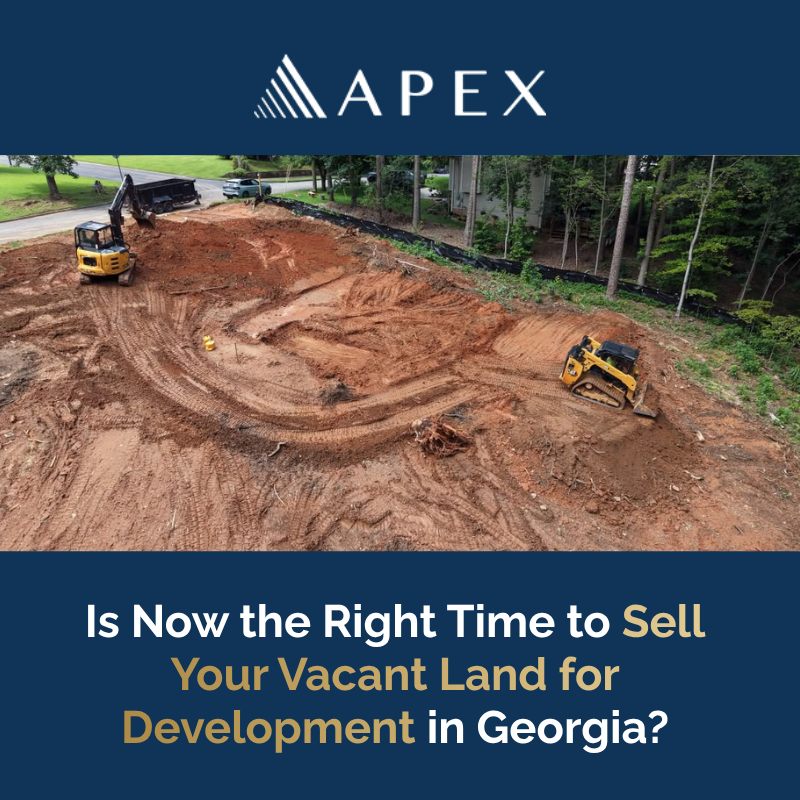
Home Is Now the Right Time to Sell Your Vacant Land for Development in Georgia? Blog · September 17, 2026 Deciding whether to sell vacant land for development in Georgia requires a careful evaluation of current local market trends and your personal financial goals. The Georgia housing market continues to expand rapidly, creating a unique window of opportunity for property owners holding raw acreage. As suburban areas expand outward, professional builders are actively seeking prime locations to construct modern communities for growing families. This sustained population growth means that landowners currently hold highly valuable assets that can secure their generational wealth perfectly. The most effective strategy begins with an honest evaluation of your personal timeline and your immediate need for usable liquidity. A direct property transaction provides a clean operational exit and eliminates the burden of paying ongoing annual property taxes immediately. By understanding the mechanical differences in how builders value these parcels, you can make a highly informed financial decision for your family. Evaluating Current Market Conditions In Georgia The current economic environment in Georgia strongly favors property owners who hold well-positioned acreage near growing suburban job centers. Major corporate relocations and robust economic growth across the state have created an unprecedented demand for new housing infrastructure. This intense localized demand means that deciding to sell vacant land for development right now can yield exceptionally strong financial returns. However, timing the market perfectly requires understanding the specific zoning laws and future municipal planning goals for your exact location. Areas with planned utility expansions or new highway access will naturally command significantly higher valuations from professional residential builders. Partnering with experienced professionals who understand these local nuances ensures you do not leave any equity completely unrecognized during the transaction. Understanding How To Maximize Land Value Before Selling Property owners often wonder how to maximize land value before selling to ensure they receive the best possible financial outcome. The most effective approach involves conducting a thorough site evaluation to understand the highest and best use for your specific acreage. This means analyzing local topography, environmental factors, and current zoning restrictions to determine exactly what can be built on the site. Professional builders look for properties that offer clear paths to construction without hidden environmental or legal hurdles delaying the project. Clear any existing title issues or boundary disputes to ensure a smooth transfer of ownership completely. Map out all nearby utility access points, including water and sewer lines, to prove the site is ready for building. Understand your current municipal zoning category and any future land use plans published by your local Georgia county. Providing this clear documentation upfront proves that your parcel is ready for immediate progress, which naturally increases the final valuation. An experienced acquisitions team can guide you through this exact preparation process, ensuring your property is positioned perfectly for the active market. A Practical Scenario For Georgia Property Owners Consider a family owning twenty acres of inherited property situated just outside a rapidly expanding Georgia metropolitan area today. They could hold the property and continue paying annual property taxes while waiting for future speculative market appreciation to occur. Alternatively, they could choose to sell vacant land for development directly to a professional builder who needs the site immediately. By selling the parcel today, the family eliminates their ongoing tax burden and receives a substantial influx of usable cash. They can then reinvest these funds into diverse stable assets that generate reliable ongoing income for their retirement years securely. This strategic move transforms a dormant physical asset into an active financial engine without taking on any future construction risks. This clean exit strategy provides profound peace of mind for families who do not want to manage complex property entanglements. It is a highly practical approach that honors the legacy of the original land purchase while meeting modern financial needs perfectly. Exploring Residential Development Opportunities The state of Georgia currently offers massive residential development opportunities due to its favorable business climate and steady population influx. This means that builders are constantly searching for suitable parcels to construct single-family neighborhoods and modern townhome communities. If your acreage sits near good school districts or major employment hubs, it is highly desirable to these professional construction firms. When you evaluate these opportunities, it is vital to work with a team that respects your property and your valuable time. A sophisticated builder will present a clear acquisition plan that outlines exactly how they intend to utilize your specific site. This transparent approach ensures you feel completely confident that your family legacy is being transitioned into a valuable community asset. How To Find A Trusted Residential Land Developer Near Many landowners begin their journey by searching for a residential land developer near me to find local professional expertise quickly. Selecting the right firm requires looking beyond simple geographical proximity to evaluate their actual track record of successful community builds. You want an operator with deep financial resources and a proven history of closing transactions smoothly without unnecessary financing delays. A trustworthy builder will always offer a deeply consultative approach rather than using aggressive sales tactics to secure your property. They will openly share their site evaluation data and explain exactly how they arrived at their proposed acquisition valuation. This respectful peer-to-peer communication builds the necessary trust required to execute a smooth and mutually beneficial property transfer successfully. Frequently Asked Questions Q. Is now a good time to sell vacant land for development in Georgia? Yes, current population growth and strong housing demand make it an exceptional time to monetize raw acreage across the state. Q. How can I learn how to maximize land value before selling my property? You can increase value by resolving title issues, confirming utility access, and understanding your specific local zoning allowances clearly. Q. What are the best residential development opportunities right now? Properties located near expanding job centers, good school districts and major transportation routes offer the strongest potential for new communities. Q. How do I evaluate a
Can I Partner With A Developer Without Selling My Land Outright?

Home Can I Partner With A Developer Without Selling My Land Outright? Blog · September 09, 2026 Many property owners wonder if they can partner with a developer on land instead of accepting a single upfront cash payment. The answer is absolutely yes, and it is a strategy used by sophisticated families to build lasting generational wealth. Rather than walking away after a sale, you keep a vested interest in the brand new community built on your property. This approach allows you to capture the significant ongoing revenue generated by the completed residential project. By choosing this collaborative path, your site transforms from a dormant asset into an active engine for long-term family wealth generation. You align your valuable acreage with the execution capability of a professional firm without having to manage construction yourself. This creates a powerful synergy where your raw property is safely transformed into a highly profitable modern community by true industry experts. How Can I Partner With A Developer On My Land Successfully? You can safely partner with a developer on land by contributing your acreage as equity into a new construction project. Instead of a traditional real estate transaction where money exchanges hands for the deed, your property becomes your financial contribution. The professional builder brings their construction capital, architectural expertise, and active management skills to the table to match your physical asset. This collaborative effort means you transition from a simple seller into a true equity participant in the new residential neighborhood. You retain ownership shares in the newly formed entity while the builder manages all municipal zoning approvals and complex daily construction logistics entirely. You receive steady ongoing revenue once the modern homes are completed and occupied by reliable local tenants. What Is A Joint Venture Land Development Today? A joint venture land development is a formal business arrangement where a landowner and a professional builder combine their unique resources. This structure perfectly aligns your valuable physical acreage with the operational capability of a professional construction firm. It creates a collaborative environment where both parties share the exact same goal of completing the residential project efficiently and safely. This highly disciplined approach replaces blind market speculation with calculated operational execution and mutual professional trust. The builder focuses on keeping construction costs on budget while you provide the essential physical foundation for the new community. It provides a perfect balance of future revenue potential and true operational passivity for landowners who want to maximize their total return. What Are The Benefits Of A Land Development Partnership? The primary benefit of a land development partnership is the ability to generate a steady stream of long-term passive income. You leverage the execution capability of a professional builder while retaining a lasting financial interest in the completed residential neighborhood. This ensures that your family continues to build wealth long after the physical construction phase is completely finished. Additionally, this structure often provides significant strategic tax advantages for families looking to preserve their accumulated wealth carefully. By delaying an outright sale, you may defer immediate capital gains taxes and benefit from ongoing property depreciation deductions. We always recommend consulting with your personal tax advisor to understand exactly how these benefits apply to your specific financial situation. How Does Profit Sharing Land Development Work Deciding to partner with a developer on land means participating in a profit-sharing land development where financial returns reflect your contribution. The exact percentage of your ongoing revenue is determined by the appraised value of your acreage compared to the total construction costs. This ensures a highly fair and transparent division of all future rental income and final project sale proceeds for everyone involved. Consider a family that contributes ten acres of undeveloped property to a brand new residential community project. While this requires waiting a few years for construction to finish, it yields a highly reliable stream of ongoing passive income. Over the next decade, this steady revenue often surpasses the value of an initial upfront cash offer significantly. What Is A Landowner Developer Partnership Agreement A landowner developer partnership agreement is the formal legal contract that clearly dictates the responsibilities and financial expectations of both parties. This critical document outlines exactly how the property will be developed and how the final ongoing revenue will be distributed safely. It serves as the ultimate operational roadmap to ensure total transparency and absolute alignment throughout the entire construction lifecycle. You should always evaluate how the firm communicates and whether they treat you as a respected peer while drafting this document. The right professional will take the time to explain their evaluation process and share their honest vision for your property safely. Establishing this mutual trust through a clear legal framework is the absolute foundation of a successful transaction and a lasting professional relationship. Identifying The Right Professional Development Partner Finding the right firm to partner with a developer on land is the most critical step in this entire wealth generation journey. You must look for a vertically integrated organization that successfully manages its own architecture, construction, and property management entirely internally. This internal capability ensures they have absolute control over the physical build quality and the daily project timeline. It completely removes the massive delays and budget overruns commonly caused by relying on disorganized third-party external contractors. A reputable operating sponsor will gladly share their past project history and introduce you to other landowners they have partnered with previously. They prioritize open communication and ensure you fully understand every single phase of the upcoming physical construction process. This commitment to education proves they view you as a highly valued capital partner rather than just another standard property transaction. Frequently Asked Questions Q. Can I really partner with a developer on my land without selling it? Yes, you can contribute your property as equity into a new project and retain ownership shares in the completed community. Q. How does a joint venture land development protect my family wealth? It protects your wealth by turning your dormant
What Does A Developer Look For When Buying Land For Residential Development

Home What Does A Developer Look For When Buying Land For Residential Development? Blog · September 09, 2026 Understanding exactly what professionals evaluate before making a property acquisition is the absolute key to maximizing your family return. If you own acreage and are considering your options you must know what a land developer looking for land actually values. Professional builders do not purchase property based on emotion or vague potential; they rely on rigorous data and specific site characteristics. They evaluate every parcel through a strict operational lens to ensure the land can legally and physically support a profitable new community. When you understand this professional evaluation process you can position your property to attract the best possible financial offers. By gathering the right information and removing unknown variables you immediately separate your asset from every other parcel on the market. This proactive preparation demonstrates that you are an educated landowner who understands the true mechanical value of your real estate. How Does Zoning And Land Use Impact Value The very first metric any developer evaluates is the current municipal zoning classification of your specific property. Zoning laws dictate exactly what can legally be built on the site ranging from single family estates to dense multifamily communities. If a property is zoned for commercial or industrial use a residential developer must navigate a lengthy and expensive rezoning process. A residential land developer near will always pay a significant premium for land that is already zoned correctly for immediate construction. Beyond basic zoning professionals also evaluate the comprehensive land use plan set forth by the local municipal government. This long term planning document outlines the future vision for the entire region including upcoming infrastructure and community expansion. Properties that align perfectly with the city’s future growth strategy are incredibly attractive to builders planning large scale residential neighborhoods. Understanding these specific regulations is the first critical step regarding how to maximize land value before selling your property. Why Do Physical Site Characteristics Matter So Much The physical topography and natural features of your land dramatically impact the total cost of construction for the builder. Developers look for sites that are relatively flat and require minimal grading to prepare the earth for pouring concrete foundations. Parcels with steep slopes, deep ravines or massive rock formations require expensive heavy machinery and specialized engineering to develop safely. A site that is easy to build on naturally commands a much higher acquisition price because it reduces the initial development budget. Environmental factors also play a massive role in how a professional builder evaluates the true potential of your acreage. Developers will conduct rigorous environmental site assessments to identify protected wetlands, endangered species habitats or historical soil contamination. If a significant portion of your property contains protected wetlands the actual buildable area is drastically reduced. Understanding these physical constraints early prevents you from overestimating the density a builder can actually achieve on your land. How Critical Is Access To Public Utilities And Infrastructure No modern residential community can exist without reliable access to essential public utilities like water, sewer and electricity. When evaluating a site a developer must determine exactly how far they have to run new utility lines to connect the property. If massive sewer extensions are required to reach the site those millions of dollars are deducted directly from the land purchase price. Parcels situated immediately adjacent to existing public utilities are incredibly valuable because they drastically lower the initial site development costs. Roadway access and daily traffic flow are equally important when a developer evaluates residential development opportunities for a new neighborhood. Builders need to ensure the existing local roads can safely handle the increased traffic generated by hundreds of new residents. If the municipal government requires the developer to widen public roads or install new traffic signals, those costs impact the land value. Easy access to major highways and strong school districts guarantees the future homes will sell quickly to eager buyers. Should I Sell My Land Or Partner With A Developer Once a developer determines a site is viable the conversation shifts to how the transaction will be formally structured. Many owners simply want to sell land to residential developer entities for a lump sum of cash and a clean exit. This traditional path provides immediate financial liquidity and completely removes the owner from the lengthy and unpredictable construction timeline. It is the perfect solution for families looking to settle estates or reinvest their capital elsewhere without delay. Alternatively landowners can choose to contribute their property as equity into a formal joint venture partnership with the developer. This collaborative structure allows the original owner to participate in the massive financial upside created when the community is finally built. Instead of walking away at closing you retain a long term interest in the completed residential units and ongoing revenue. The best choice depends entirely on your personal timeline and whether you prefer immediate cash today or sustained wealth tomorrow. Frequently Asked Questions Q. What is the first thing a land developer looking for land evaluates? They immediately check the municipal zoning classification to ensure the property legally supports residential construction without a lengthy rezoning process. Q. Why do physical site features impact the land value so heavily? Steep slopes and dense rock formations require expensive engineering and heavy machinery which drastically increases the developers initial construction costs. Q. How do public utilities affect residential development opportunities? Sites located directly next to existing water and sewer lines are highly valuable because developers avoid paying for massive utility extensions. Q. What is the best method regarding how to maximize land value before selling? Providing a clear boundary survey proving utility access and conducting an environmental assessment removes buyer risk and increases your property value. Q. How do I find a reliable residential land developer near me? Look for established local firms with a transparent track record that manage their own construction internally and prioritize owner education. Schedule A Property Discussion With Our Team Transitioning
How To Maximize Land Value Before Selling To A Developer

Home How To Maximize Land Value Before Selling To A Developer Blog · September 08, 2026 Understanding exactly how to maximize land value before selling requires deliberate preparation and a clear understanding of what builders need. Many property owners leave significant money on the table by rushing into a transaction without organizing their site documentation first. Taking a few fundamental administrative steps transforms a standard parcel of dirt into a highly attractive acquisition target. This preparation signals to professional buyers that you are an educated owner who understands the true potential of the site. When you present a property that is ready for immediate evaluation, you automatically separate your asset from the competition. Buyers are willing to pay a premium for acreage that comes with clear data and zero hidden administrative surprises. The key to a successful transaction is reducing the initial risk for the builder who wants to acquire your property. By gathering the right paperwork and understanding your local regulations, you maintain control of the financial conversation from day one. What Steps Increase The Value Of Raw Acreage The most effective strategy regarding how to maximize land value before selling is removing the unknown variables for potential buyers. Builders want absolute certainty regarding property boundaries, utility access, and local municipal zoning laws before making a financial commitment. By providing clear answers to these fundamental questions, you significantly reduce their financial risk and justify a premium purchase price. You do not need to construct buildings or pave concrete roads to increase the appeal of your acreage today. Small administrative investments yield the highest returns when preparing to sell land to developer groups in your local market. Focus entirely on proving that your site is physically capable of supporting new construction without major legal hurdles. Complete a professional boundary survey to definitively outline property lines and prevent any neighboring disputes early. Confirm the exact location of public water and sewer connections relative to your specific parcel of land. Resolve any outstanding liens or title defects to ensure a smooth and predictable property closing process entirely. Secure a preliminary environmental assessment to prove the soil is completely safe for modern residential construction. How Does Apex Evaluate Your Specific Property Before you can capitalize on residential development opportunities, you must understand how professional firms calculate site feasibility accurately. At Apex Investments, our evaluation process goes far beyond pulling standard neighborhood sales comparisons from basic public property records. We conduct a rigorous analysis of your local zoning classifications, natural topography and the surrounding community infrastructure. Our team carefully studies local demographic trends and current housing demand to understand what type of community your parcel supports. A property located near a growing job center might perfectly support a dense residential neighborhood rather than single family estates. We share these specific findings openly with landowners to provide a realistic and educational picture of the development journey. This consultative approach ensures you discover the highest and best use for your site before signing any legal documents. When you know exactly what your property can legally support you hold significantly more leverage during early financial discussions. We want our capital partners to feel completely confident and thoroughly educated about their underlying physical assets. A Practical Scenario For Landowners Consider a family that recently inherited fifteen acres of undeveloped property on the edge of a growing suburban town. They want to learn how to maximize land value before selling but feel overwhelmed by the complexities of commercial real estate. By partnering with our team for a professional site analysis they discover three acres contain protected natural wetlands. Instead of letting this environmental discovery derail a potential sale we help them design a strategic site plan around it. The wetlands are repositioned as a natural community amenity, which actually increases the appeal of the remaining twelve buildable acres. Armed with this exact strategic plan the family can now confidently approach a residential land developer near for offers. They ultimately realize that proactive planning and expert analysis completely changed the financial trajectory of their inherited family asset. By defining the buildable area clearly they avoided receiving low offers based on a buyer assuming the worst about the property. This preparation empowered the family to maximize their final return and preserve their generational wealth securely. Frequently Asked Questions Q. What makes a property attractive when I want to sell land to developer groups? Builders seek properties with clear utility access, favorable zoning laws and zero environmental liabilities so they can begin construction quickly. Q. How do I identify legitimate residential development opportunities for my parcel? Experienced professionals analyze local job growth, infrastructure expansion and zoning regulations to confirm if your site supports new housing. Q. Why would I choose a land development partnership instead of a cash sale? A structured partnership provides ongoing rental income and a share of the construction profits rather than a single upfront payment. Q. How can I find a trusted residential land developer near me? Look for a local firm that openly shares their evaluation process, manages construction internally and prioritizes owner education above all else. Schedule A Property Evaluation With Our Team Transitioning your acreage into a successful project requires an operating partner who values complete transparency and rigorous daily discipline. Schedule a comprehensive site evaluation with Apex Investments to discuss your specific property in detail. Our dedicated acquisitions team is prepared to analyze your zoning constraints and present clear options for your family legacy. Connect with our professionals today to build a meaningful strategy that properly honors your hard work and secures your future. { “@context”: “https://schema.org”, “@type”: “BlogPosting”, “@id”: “https://apexinvestments.us/maximize-land-value-before-selling/#blogposting”, “url”: “https://apexinvestments.us/maximize-land-value-before-selling/”, “headline”: “How To Maximize Land Value Before Selling To A Developer”, “description”: “Learn how to maximize land value before selling to a developer through zoning research, surveys, utility checks, environmental due diligence, and site planning.”, “keywords”: [ “how to maximize land value before selling”, “sell land to a developer”, “sell land to developers”, “residential development opportunities”, “land development partnership”, “residential
Before You Sell Your Land, Ask Yourself These Five Questions

Home Before You Sell Your Land, Ask Yourself These Five Questions Blog · June 11, 2026 Owning undeveloped property presents a unique opportunity to build generational wealth or secure immediate liquidity for your family. Deciding exactly how to proceed requires careful planning and a deep understanding of your personal financial goals. Many owners quickly decide to sell land to developers without fully evaluating the true potential of their property first. Taking the time to ask a few strategic questions ensures you make a fully informed and deeply rewarding decision. Understanding the true value of your property involves much more than just looking at recent neighborhood sales data. You must consider the physical characteristics of the site, local municipal regulations, and the current demand for new housing. Evaluating these factors allows you to approach the market with confidence and absolute clarity regarding your expectations. This preparation separates a standard transaction from a highly strategic and educational financial move. What Is The Current Zoning And Highest Best Use Of My Property The very first step before you sell land to a developer is understanding exactly what can legally be built on your site. At Apex Investments, we evaluate your local municipal regulations, topography, and surrounding infrastructure to determine your property constraints. Knowing these local zoning laws helps you understand the exact physical limitations and the true development potential of your acreage. This foundational knowledge prevents you from accepting an offer that severely undervalues the future utility of your property. Identifying the highest and best use of your property means determining the most rewarding project the land can support legally. A site zoned for light commercial use might hold significantly less value than a parcel zoned for a large residential neighborhood. We guide landowners through this complex analysis so they can confidently negotiate with professional builders who want to acquire their site. It completely shifts the conversation from a basic land transaction to a strategic discussion about future community value. Am I Financially Prepared To Sell Vacant Land For Development Today Choosing to sell vacant land for development triggers significant financial events that require careful consideration and professional tax planning. A direct sale provides a large sum of immediate liquidity which can be incredibly useful for funding retirement or buying other assets. However, this sudden influx of capital also creates substantial tax liabilities that you must prepare for well in advance. Consulting with a professional tax advisor ensures you keep the maximum amount of your newly unlocked equity. You must deeply consider how capital gains taxes will impact your final net proceeds after the transaction closes completely. Sometimes deferring the sale or structuring the transaction through an installment agreement provides a much more favorable tax outcome. You should also evaluate whether you have a clear plan for reinvesting the capital once the funds hit your bank account. Selling without a clear reinvestment strategy often leads to capital sitting idle and losing value to economic inflation over time. How To Maximize Land Value Before Selling To A Professional Builder Learning exactly how to maximize land value before selling requires making smart and highly targeted improvements to your property profile. You do not need to pave roads or pour concrete to make your site significantly more attractive to potential buyers. Simply clearing away dense brush and conducting a professional topographical survey provides incredible clarity for any interested construction firm. This basic preparation removes immediate guesswork and allows builders to see the true physical potential of your acreage easily. Conduct a professional boundary survey to clearly define your exact property lines and resolve any neighboring disputes early. Verify the exact location and capacity of all local utilities like water and sewer lines near your specific site. Resolve any outstanding liens or title issues to ensure you can transfer the property cleanly and without unexpected legal delays. Secure a preliminary environmental assessment to prove the site is entirely clean and ready for immediate residential construction. These specific administrative steps create absolute certainty for buyers which directly translates into much stronger financial offers for your family. A Practical Scenario To Guide Your Decision Consider a family that inherited fifteen acres of undeveloped property located just outside a growing suburban city center. If they quickly sell land to developers without any research, they might accept a baseline offer of one million dollars. However, after partnering with our team for a site evaluation, they discover that twelve acres are perfectly zoned for residential housing. The remaining three acres feature natural wetlands, which require specific environmental buffers that the original buyer never mentioned. Armed with this accurate site data, the family now has two very clear and distinct financial paths forward. They can sell the buildable twelve acres directly to a builder for a much higher market-adjusted cash price today. Alternatively, they can partner with our vertically integrated team to develop the residential lots and collect ongoing revenue over time. Having the exact data in hand allows the family to make a confident choice that aligns with their specific lifestyle. Should I Sell My Land Or Partner With A Developer For Wealth Many property owners eventually ask themselves, should I sell my land or partner with a developer to reach their financial goals? A direct sale provides a clean exit and immediate cash, which is perfect for those who want zero ongoing responsibilities. Alternatively, a structured partnership allows you to contribute your property as equity into the brand new residential construction project. This collaborative approach means you retain a long-term interest in the completed community and receive ongoing revenue. Partnering with an experienced firm aligns your property with industry professionals who handle all the physical construction internally. You do not have to navigate local zoning laws or hire concrete crews because the operating partner manages everything. This structure provides a steady stream of passive income that often far exceeds the value of a single upfront cash payment. The right choice depends entirely on whether you prefer immediate liquidity today or
Atlanta Developer Brief Q3 2026

Home Atlanta Developer Brief Q3 2026 Blog · August 18, 2026 Metro Atlanta Real Estate Development: What the Market Is Telling Us in Q3 2026 Population is growing. Infrastructure investment is accelerating. But development opportunities are becoming increasingly selective. The Q3 2026 Atlanta Developer Brief gives you a data-backed look at the market conditions shaping residential and commercial development across Metro Atlanta, with a closer look at the growth corridors where Apex is actively acquiring and developing land. Get the market intelligence you need to understand where demand, capital, infrastructure, and development activity are concentrating. What You’ll Discover Inside Where population growth is accelerating across Metro Atlanta Which counties and growth corridors are attracting development activity How permitting trends are affecting residential supply What major infrastructure investments could influence future development Where industrial, data center, multifamily, and residential opportunities are emerging Why build-to-rent and attached residential products are gaining momentum What current market conditions mean for landowners considering their options Why more landowners are exploring joint venture structures instead of an outright sale The key market signals Apex is watching across Cobb, Gwinnett, Cherokee, Barrow, and North Fulton/Forsyth Why Download This Report? Metro Atlanta is still growing, but growth isn’t happening evenly. Population, infrastructure investment, permitting, and capital are increasingly concentrating in specific counties and corridors. That makes understanding where the growth is happening just as important as understanding the broader Atlanta market.This brief brings those signals together so you can make more informed decisions about land, development opportunities, and your next move in the Metro Atlanta market. Access the Q3 2026 Atlanta Developer Brief GET THE MARKET REPORT NOW
Selling vs Partnering on Your Land Which Option Maximizes Your Return

Home Selling vs Partnering on Your Land: Which Option Maximizes Your Return? Blog · June 11, 2026 Owning acreage presents a unique financial choice that requires careful and strategic planning. Many property owners eventually ask themselves should I sell my land or partner with a developer to meet their long term financial goals. The answer depends entirely on your personal timeline and your immediate need for cash versus ongoing revenue. By understanding the operational differences between these two paths you can make a thoroughly educated decision. A direct sale provides immediate liquidity while a partnership builds a lasting income stream over time. Both options offer distinct benefits when executed alongside an experienced professional team. Taking the time to evaluate your specific situation ensures your final choice aligns with your broader wealth strategy. The right decision ultimately comes down to your personal risk tolerance and your family legacy objectives. What Are The Benefits Of A Direct Land Sale When you sell land to developers you prioritize a clean exit and immediate financial liquidity. This traditional transaction converts your parcel into usable cash without taking on any future construction risks. It is an ideal choice for families settling estates or funding immediate life events without any delay. You surrender the potential future profits of the completed project in exchange for absolute financial certainty today. Direct sales are straightforward because the purchasing builder assumes all zoning and construction responsibilities completely. You simply negotiate a fair market price and walk away with your equity securely in hand. This path removes you from the lengthy timeline associated with securing building permits and managing contractors. It is the most efficient way to capture the current market value of your property without ongoing obligations. Choosing a direct sale also simplifies your tax planning and personal financial management significantly. You know exactly what your proceeds will be and can plan your next investments accordingly. For owners who prefer a hands off approach this clean break is often the most comfortable route. How Does A Land Development Partnership Work A land development partnership allows you to contribute your acreage as equity into a new construction project. Instead of walking away at closing you stay involved as a capital partner while the builder executes the vision. This structure aligns your land with the operational capability of a professional firm. It creates a collaborative environment where your asset is transformed by experienced industry practitioners. By remaining involved you capture a portion of the profits generated by the completed project over time. Your site transforms from a dormant asset into an active engine for long term family wealth generation. You do not have to navigate complex local zoning laws because the operating partner handles everything internally. This provides a balance of future revenue potential and operational passivity for landowners. These agreements are carefully structured to protect the interests of the original property owner. The builder brings the construction capital and expertise while your land serves as the foundation. This shared commitment ensures both parties are completely aligned toward the successful completion of the project. Evaluating Residential Development Opportunities Before deciding you must evaluate the specific residential development opportunities available for your unique parcel. At Apex Investments we conduct a thorough site analysis including zoning laws topography and local housing demand. We examine the surrounding infrastructure and demographic trends to determine the highest and best use for your site. This consultative approach ensures you understand the true potential of your land before making any binding commitments. We provide landowners with a clear breakdown of projected timelines and estimated construction budgets during our evaluation. This data helps owners see the actual mechanics of turning their property into a thriving community. Armed with these facts you can confidently weigh an upfront cash offer against future revenue shares. Our goal is to educate owners so they can make decisions based on actual data rather than market speculation. Understanding the local market dynamics is a critical step in this evaluation process. Properties located near growing job centers often support higher density projects which change the financial outlook entirely. We share these insights openly to build trust and provide a realistic picture of the development journey. A Practical Scenario To Guide Your Decision Consider a family owning ten acres near a growing suburban job center deciding how to proceed. If they sell land to a developer they might receive a lump sum of two million dollars within sixty days. This provides immediate relief, allows them to pay off debts and lets them reinvest elsewhere without delay. The transaction is clean and simple and requires no further effort from the family. Alternatively they could enter a joint venture land development agreement with our team. By contributing the land they retain ownership shares in the new homes built on the property. While this requires waiting two years for construction to finish it yields a steady stream of rental income. Over the next decade this ongoing revenue often surpasses the value of the initial cash offer significantly. The family must decide if they prefer the certainty of cash today or the sustained income of tomorrow. There is no wrong answer but seeing the numbers clearly helps clarify which path fits their lifestyle. Making Your Final Strategic Choice When owners ask should I sell my land or partner with a developer we always recommend looking at generational goals. If you require immediate cash to fund retirement or purchase another asset a direct sale is logical. However if you want to build a lasting financial legacy a structured partnership often makes more sense. Both options provide excellent value when you work with a team that prioritizes education and transparency. We frequently consult with landowners because they feel overwhelmed. We remove this anxiety by laying out both options with total clarity and sharing our objective site analysis. We provide the exact information you need to choose the path that properly honors your hard work. Request A Property Evaluation With Apex Investments Deciding how
Integrating a Real Estate Investment Fund into Your Generational Wealth Strategy

Home Integrating a Real Estate Investment Fund into Your Generational Wealth Strategy Blog · June 11, 2026 Building lasting wealth that survives multiple generations requires more than simply holding standard corporate stocks or municipal bonds. Public markets are highly unpredictable and leave your carefully built portfolio exposed to sudden economic downturns and corporate boardroom decisions. Families seeking to protect their financial legacy need the stability of tangible physical assets managed by dedicated industry professionals. A carefully structured real estate investment fund provides the perfect operational anchor for transferring wealth safely to future heirs. Securing a financial legacy demands partnering with operators who control the entire building process from the raw dirt up. At Apex Investments you can see exactly how our vertical integration protects your initial capital contribution. We design purpose built residential communities that provide essential new housing without the unpredictable financial risks of older buildings. This direct control ensures your family wealth is protected by rigorous professional execution and complete operational transparency. Directing family capital into new residential construction offers distinct advantages for true long term wealth preservation. Physical land naturally retains intrinsic purchasing power during periods of high economic inflation. Brand new structures require virtually no capital maintenance during the first decade of ownership. Professional sponsors handle all the complex daily operational logistics entirely internally. Wealth transfers smoothly to heirs without ever burdening them with physical property management duties. Traditional paper portfolios simply cannot offer this profound level of physical security and consistent operational control. By allocating family capital toward private alternative investments you completely decouple your wealth from daily stock market panic. This highly disciplined approach builds a resilient financial foundation that steadily performs regardless of broader economic sentiment. It is the definitive method for ensuring your capital continues working efficiently to support your future generations. The Core Mechanics of Generational Wealth Preservation Preserving family capital requires highly predictable financial vehicles that generate steady returns without demanding personal daily labor. Utilizing hands free investing structures completely removes the severe burden of becoming an active landlord. New residential communities naturally attract reliable local residents seeking high quality modern family homes. Internal construction teams execute the entire building process smoothly and completely on financial budget. Consistent quarterly financial distributions provide your heirs with highly reliable capital moving forward. Relying on older existing properties to build a family legacy often introduces massive hidden financial liabilities. Inheriting a building with a failing roof or outdated plumbing quickly becomes an immediate financial drain on your family. We entirely eliminate this risk by focusing exclusively on ground up real estate investing to create brand new housing inventory. Starting with a blank dirt slate guarantees that every physical component is perfectly new and structurally sound. The structural integrity of a brand new residential community ensures decades of highly predictable operational performance. Families can safely transfer these durable physical assets to the next generation without transferring a demanding second job along with them. This thoughtful strategy provides your children with stable financial resources rather than complex and stressful operational burdens. It is a highly respectful approach to estate planning that honors your hard work and deeply protects your family. Navigating the Shift to New Construction Communities Modern families actively seek out brand new housing that meets their exact daily living requirements and modern expectations. This consistent local demand makes BTS real estate investments incredibly secure vehicles for long term family wealth storage. Built to suit communities are carefully designed by internal architects to provide exactly what the current rental market needs most. Capital partners directly benefit from this intense preparation because it ensures rapid community stabilization upon final construction completion. A successful generational wealth strategy must always account for the changing preferences of modern residential renters. By controlling the architectural design and the physical construction our internal teams produce highly desirable modern living spaces. This unified execution delivers beautiful homes to the active market much faster than traditional developers who constantly outsource labor. The resulting physical asset is a premium local community that stands the test of time and performs highly reliably. Rapid project stabilization is the ultimate operational goal when deploying family capital into new physical residential developments. Achieving full occupancy quickly secures the long term financial viability of the brand new residential housing community. This proven operational milestone effectively protects the initial financial contribution and generates highly stable passive income real estate investments. These consistent financial returns allow your family to continue growing its overall wealth predictably year after year. The Value of True Operational Transparency Handing over your hard earned wealth to the next generation requires immense trust in your chosen operational partners. A professional sponsor must provide complete transparency regarding the physical status of the new residential development at all times. Our internal teams communicate daily from the active job site to ensure every single project milestone is achieved exactly as planned. We share these precise construction updates directly with our capital partners to build enduring professional trust and absolute confidence. You maintain complete visibility over the physical asset without ever needing to coordinate a framing crew or manage site permits. Detailed structured reports show you exactly how our internal teams are physically constructing the new community step by careful step. You gain the profound peace of mind that comes from knowing exactly who is managing your assets daily on the ground. This structure provides the perfect balance of complete asset visibility and true operational passivity for busy accredited professionals. Securing Your Family Legacy with Apex Investments Protecting your financial future requires a trusted operational partner who values rigorous discipline and complete project transparency above all else. Contact us to schedule a professional consultation through Apex Investments to discuss our current ground up development projects and availability. Connect with our dedicated investor relations professionals today to discover how our vertically integrated approach can deeply protect your family wealth. We look forward to building a meaningful and highly transparent partnership with you and your family for many years to come.
The Executive Guide to Hands Free Investing Building Wealth While Protecting Your Time

Home The Executive Guide to Hands Free Investing Building Wealth While Protecting Your Time Blog · June 04, 2026 Real Estate Investing offers exceptional wealth generation potential but managing physical properties demands significant time and continuous daily attention. Busy professionals require stable wealth building strategies that do not interfere with their demanding corporate careers and personal family commitments. Focusing entirely on professional execution allows corporate executives to grow their financial portfolios securely without sacrificing their limited daily bandwidth. The modern professional needs a clear path to participate in physical property without becoming a full time active landlord. Choosing the right operational partner completely removes the complex daily burdens of property management and active physical construction oversight. Visit Apex Investments to understand how we support professionals seeking complete operational passivity today. Our internal teams focus entirely on ground up construction projects to create vital new housing supply for growing local communities. This disciplined execution provides capital partners with absolute peace of mind and highly predictable project lifecycles. Corporate executives face specific challenges when attempting to scale their personal wealth through direct physical property ownership alone. Managing daily tenant requests drains valuable personal time and creates unnecessary mental stress. Navigating complex municipal zoning laws requires highly specialized legal knowledge and significant patience. Overseeing external general contractors frequently leads to unexpected budget overruns and severe project delays. Coordinating routine property maintenance distracts entirely from primary career objectives and family responsibilities. Understanding the Mechanics of Hands Free Investing Hands free investing allows accredited professionals to deploy capital into physical assets while an experienced sponsor handles all operational logistics. This structure clearly separates the financial contribution from the daily execution required to build brand new residential communities properly. It is an incredibly efficient wealth building strategy that respects the valuable time of dedicated corporate executives everywhere. You maintain complete visibility over the physical asset without ever needing to step foot on an active construction site. Utilizing this specialized investment structure provides several distinct operational advantages for professionals seeking true long term financial independence. Invested capital is securely anchored by physical land and newly constructed durable residential buildings. Dedicated internal construction teams eliminate the typical delays associated with outside third party contractors. Structured quarterly reports provide transparent project updates directly from the active physical job site. Professionally managed properties attract reliable local residents and ensure highly stable community occupancy rates. This collaborative approach allows individuals to grow their wealth while remaining focused on their own professional leadership roles. The operating sponsor takes on the heavy lifting of physical construction and the eventual market stabilization of the brand new property. This clear division of labor is exactly how sophisticated investors scale their personal portfolios safely and highly efficiently. You achieve targeted performance goals while preserving your most valuable asset which is your personal time. The Role of Real Estate Joint Ventures Entering into Real Estate Joint Ventures connects passive capital directly with active development expertise to execute large scale physical projects. These structured partnerships provide exclusive access to massive ground up developments that would be impossible for an individual to execute alone. The sponsor leverages their deep internal corporate infrastructure to navigate complex municipal permitting and direct supply chain logistics efficiently. This professional collaboration represents the highest standard of execution in the modern private equity landscape today. When you choose a vertically integrated sponsor you benefit directly from their internal architecture and dedicated ground up construction teams. These internal professionals design purpose built communities that perfectly meet the exact demands of modern local families seeking homes. Controlling the entire build process from the raw dirt up ensures perfect clarity regarding every single physical component installed. This meticulous attention to detail deeply protects the initial capital and guarantees consistent high quality craftsmanship. The ultimate operational goal of these partnerships is to secure highly reliable passive income real estate investments for the capital partner. By achieving full occupancy at current market rates the sponsor effectively secures the long term financial viability of the new community. This rapid physical stabilization proves the original financial thesis and prepares the newly constructed asset for a favorable market evaluation. It empowers busy executives to participate in actual community wealth creation through disciplined professional execution. Why Ground Up Real Estate Investing Makes Sense Ground up real estate investing is inherently superior to purchasing older properties because it eliminates inherited structural maintenance problems. Older existing buildings often hide expensive physical issues that can quickly destroy a carefully planned project financial budget. Starting with a blank slate ensures that every single component of the new residential community is perfectly brand new. This purposeful strategy produces a premium physical asset that stands the test of time and performs highly reliably. Building brand new housing allows dedicated developers to create specific floor plans that local residents actively desire and need. These purpose built communities provide modern living spaces that naturally attract high quality tenants seeking comfortable and safe environments. This intense focus on enduring physical quality reduces future maintenance issues and ensures the community remains highly attractive over time. It is a responsible approach to neighborhood expansion that properly respects the land and the local people. A predictable twelve to eighteen month project lifecycle demands proactive planning and structured daily reporting standards. Our capital partners never have to guess about the status of their funds or the physical progress of the new residential build. This structural predictability is exactly why so many sophisticated professionals view these focused joint ventures as highly desirable financial paths. It flawlessly delivers the exact balance of operational control and true passivity that modern accredited investors demand today. Diversifying With Alternative Investments Public markets leave individual investors exposed to sentiment driven price swings and unpredictable corporate boardroom decisions that erode wealth. Private alternative investments provide a tangible financial shelter because they are backed by actual physical land and durable new structures. We completely decouple your capital from public stock exchanges by focusing exclusively on purposeful new residential housing developments. This distinct separation offers
Understanding the Tax Advantages of Ground Up Real Estate Investing

Home Understanding the Tax Advantages of Ground Up Real Estate Investing Blog · May 28, 2026 Real Estate Investing offers powerful tax advantages that help dedicated individuals preserve their hard earned wealth. Ground up residential developments provide highly specific depreciation benefits that standard stock market portfolios simply cannot match. By strategically building brand new communities from raw land investors can legally reduce their annual tax burdens. This disciplined approach to wealth management keeps more capital working actively within your personal financial portfolio. Transitioning away from public markets allows professionals to utilize the highly favorable tax codes designed for property developers. The federal government intentionally incentivizes the creation of new housing supply through significant legal tax deductions. You gain access to these unique financial protections when you choose to invest in multifamily real estate projects. This purposeful alignment of community improvement and personal wealth preservation creates a highly sustainable financial future. What Are the Primary Tax Benefits of New Construction The primary tax benefit of new construction is the ability to carefully control and accelerate property depreciation schedules. When an internal team builds a brand new community every single component of that property is meticulously documented. This detailed accounting allows financial teams to classify assets correctly and maximize your allowable legal deductions. Understanding exactly how these mechanisms work is essential for successful hands free investing and long term capital growth. Accelerated depreciation schedules reduce your taxable income during the initial years of the new residential development. Construction material deductions allow investors to write off the specific costs of the physical property build. Operating expense deductions cover the professional management and daily maintenance of the brand new community. Capital gains deferrals provide a legal pathway to reinvest project profits without facing immediate tax liabilities These structured incentives make purpose built residential developments highly superior to other forms of traditional wealth generation. By partnering with a vertically integrated team you ensure that every physical expense is properly tracked for tax purposes. This disciplined financial oversight directly translates into highly stable passive income real estate investments for our capital partners. It completely removes the complex burden of tax preparation from the individual investor while maximizing their financial return. How Does Cost Segregation Work for New Builds Cost segregation physically separates the building components into distinct legal categories for much faster annual depreciation. Internal infrastructure like specialized plumbing and modern electrical systems can be depreciated over much shorter timeframes. Land improvements including paved driveways and community landscaping offer immediate tax benefits during the first year. Brand new household appliances and interior fixtures are written off rapidly to maximize your early tax deductions. Implementing a rigorous cost segregation study is incredibly straightforward when you control the entire physical construction process. Because our internal teams manage the procurement of all raw materials we maintain perfect records of every expenditure. We deliver these exact financial details to our partners so they can share them directly with their personal accountants. This flawless flow of information makes BTS real estate investments incredibly efficient for busy accredited professionals. Utilizing these advanced tax strategies requires a highly organized sponsor who understands both physical construction and legal compliance. We build these properties from the ground up to ensure perfect clarity regarding every single physical component installed. This meticulous attention to detail protects our partners from potential audits and provides total financial peace of mind. It proves that professional execution is the true foundation of all secure alternative investments. Why Passive Income Is Taxed Differently The income generated by physical property partnerships is legally classified as passive income by federal tax authorities. This specific classification is incredibly beneficial because it is generally not subject to standard employment taxes or self employment fees. Capital partners receive their quarterly distributions without the heavy tax burdens associated with traditional corporate salary structures. This efficiency allows your wealth to compound much faster than it ever could within a standard retirement account. Federal tax codes actively reward individuals who provide the capital necessary to build new residential housing communities. The government understands that private capital is absolutely essential for solving the current national housing shortage. By providing highly favorable tax rates on passive distributions the system encourages continued investment in physical infrastructure. Our capital partners directly benefit from these laws while simultaneously providing beautiful new homes for local families. The Role of Depreciation in Wealth Preservation Depreciation is the most powerful legal tool available for shielding your real estate income from annual taxation. It represents the natural physical wear and tear of a building over its useful life as determined by federal laws. While the market value of the property actually increases the government allows you to deduct a portion of the building cost. This creates a scenario where you receive positive cash flow but report a much lower taxable income on paper. Building a property from the ground up maximizes this benefit because the entire cost basis is entirely new. You do not inherit the exhausted depreciation schedules of previous owners or deal with outdated physical structures. Every single dollar spent on the new construction contributes directly to your total allowable depreciation pool. This fresh start is a massive financial advantage that makes new builds superior to purchasing older existing properties. How to Navigate Tax Deferral Strategies When a newly constructed property is finally sold our partners often wish to reinvest their returned capital. Tax deferral strategies allow investors to roll their initial equity and their profits directly into a brand new development project. This seamless transition completely avoids immediate capital gains taxes and keeps your entire financial portfolio actively compounding. It is the exact strategy that multi generational families have used for decades to build and preserve massive wealth. Executing a successful tax deferral requires incredibly precise timing and a steady pipeline of available new development projects. Our twelve to eighteen month project lifecycles provide the perfect rhythm for capital partners looking to reinvest their funds continuously. As one residential community reaches stabilization and disposition we